What Tail Spend Is and Why It Costs More Than It Looks
Hidden transaction costs, fragmented suppliers.
- Written by
- Grant Farrell
- Published
- October 26, 2026
- Reading time
- 8 min read
- Sources cited
- 1 sources ↓
What this covers
Tail spend looks cheap because the purchases are small. This article explains why tail spend can cost far more than its invoices suggest, as processing work, fragmented suppliers, and compliance gaps reinforce one another. Each hidden cost needs an intervention that actually reduces it.
What tail spend is and how the 80/20 pattern forms
Tail spend forms as departments buy what they need, when they need it, from suppliers that suit the immediate job. One team needs IT peripherals, another needs freelance services, and the maintenance team needs an MRO part. Each purchase has a reason to exist. As those needs accumulate, indirect buying spreads across more vendors and channels, leaving a long tail of low-value transactions outside the purchases that receive strategic attention.
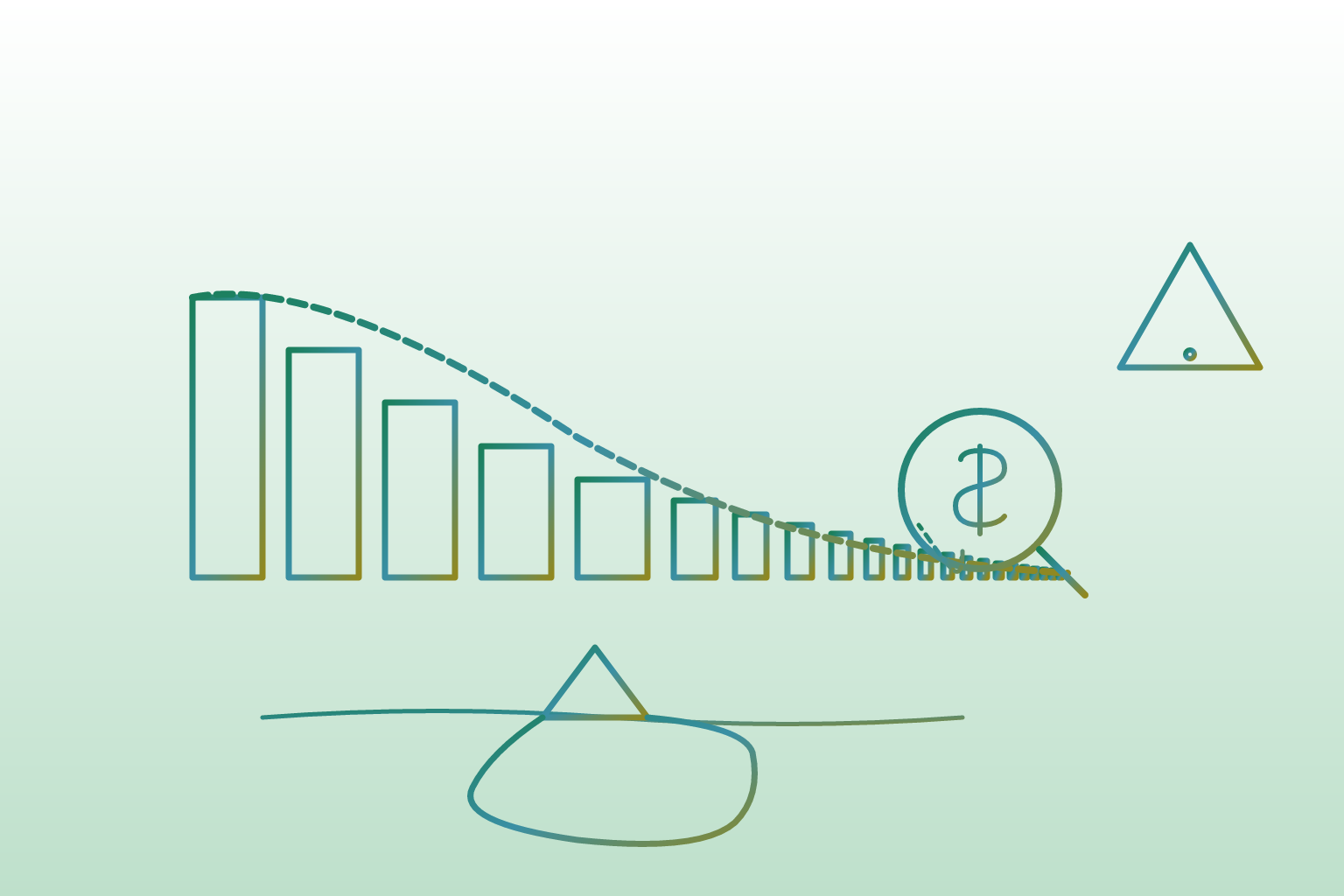
That is how the 80/20 pattern takes shape. A small share of total spend can account for the majority of transactions, even though individual purchases barely register in a budget review. The tail includes spot purchases, p-card and petty cash buys, office supplies, ad-hoc SaaS subscriptions, and temporary labor. The tail is defined by its buying pattern. Low-value emergency materials tied to production can belong in the tail too, so treating it as exclusively indirect spend misses part of the picture.
Why tail spend, maverick spend, and tactical spend get conflated — and why the distinction matters for cost
These scattered purchases often get bundled with maverick and tactical spend, although the labels describe different problems. Tail spend is low-value, dispersed, and often hard to see, but it need not break policy. Maverick spend breaks approved buying rules or bypasses contracts, regardless of its size, while tactical spend is planned and legitimate but not strategically sourced. Visibility and consolidation address the tail, while policy enforcement and guided buying address maverick behavior. Tactical spend needs an intake process that keeps it from sliding outside policy without stifling agility. Chasing scattered purchases while ignoring broken rules adds to the noise, but making every tactical purchase that follows the rules go through central control swaps one cost for another.
How transaction processing costs make small purchases expensive to buy
A cheap item can be expensive to buy. Consider a low-value office supply purchase that still needs an invoice received, a code assigned, an approval routed, a payment made, and the records reconciled. If the work of handling it costs more than the item, the bargain exists only on the invoice.
The inversion comes from a fixed administrative burden that does not shrink with the order value. A small purchase still requires processing, even if the amount would barely merit discussion in a larger sourcing decision. Standard spend reports rarely show the cost of that work alongside the item. Instead, it sits in headcount and system overhead, separated from the purchase that created the work.
Tail spend accounts for the majority of transaction count, so modest handling costs recur across thousands of small purchases annually. In asset-intensive industries, MRO makes the imbalance particularly clear. It can represent a minority of the budget while consuming a disproportionately large share of procurement time, SKUs, and supplier management effort. The team is busy, but the purchase totals do not explain why.
How vendor fragmentation erodes pricing leverage across the tail
The organization can pay twice for the same fragmentation. First comes the work of processing scattered purchases, then comes the price premium from buying too little from too many suppliers. When purchases in one category are spread across dozens of vendors, the organization loses the chance to use its total demand to negotiate prices. The organization has buying power on paper but fails to bring it to the negotiating table.
That lost volume prevents purchases from reaching thresholds for tiered pricing, rebates, or preferred-rate contracts. The organization then pays spot or list prices as a matter of course. Where tail purchases also bypass contracts, paying more than benchmark contracted pricing creates recurring leakage. Even a small gap adds to the cost of each off-contract transaction after the first purchase.
The pattern also feeds on its own inconvenience. Each department that adds a preferred vendor for convenience spreads demand further and makes the supplier base harder to manage. As that work grows, teams become less inclined to route their purchases through procurement. Their local shortcut weakens the organization's aggregate leverage, which makes the next shortcut more tempting. Convenience at the department level can become a surcharge for everyone else.
How compliance gaps and unvetted suppliers turn tail spend into a governance liability
Where tail purchases bypass structured approval workflows, the organization may be unable to verify or audit vendor activity, or even know that it exists. Low purchase values can coexist with exposure to duplicate payments, invoice errors, vendor fraud, and regulatory or ESG gaps.
JAGGAER documented a university case in which an open registration system meant “suppliers could easily register in the system without the University knowing a thing about them,” creating a direct fraud risk as well as off-contract waste. An organization cannot judge a supplier's suitability if that supplier enters its system without meaningful scrutiny. The university addressed the problem by vetting every supplier and rationalizing its supply base, replacing uncontrolled access with a controlled set of vendors.
The same gap extends beyond payment integrity. Without vetting, an organization cannot check suppliers' labor practices, environmental standards, or sanctions compliance. Expanded ESG reporting obligations make those gaps harder to dismiss as someone else's paperwork. Regulatory penalties, reputational damage, and audit failures can dwarf the original purchase value. A small invoice is not a small-risk certificate.
How poor data visibility keeps the full cost of tail spend hidden from the people who could act on it
Why do these costs persist if their causes are understandable? Often, the people who could act cannot see the pattern clearly enough. Tail spend data is scattered across ERP platforms, p-card statements, expense reports, department purchasing tools, and SaaS billing portals. Those systems do not speak to one another by default, so each presents only part of the buying activity. What looks manageable within each view can be expensive across the organization.
Sievo identifies disparate systems, inconsistent data, and decentralized purchasing as root causes of poor visibility that can obscure the opportunities in tail spend. Even when records are brought together, the total may be wrong. The same supplier may appear under several spellings or entity names, making deduplication and aggregation unreliable. Until those records are reconciled, procurement cannot confidently see how much demand belongs to one supplier or where consolidation is possible.
Unauthorized software subscriptions and consumer-platform travel bookings may never enter the procurement system, so they stay out of sight there until a finance audit finds them. That is not the same as management seeing a problem and choosing to ignore it. The problem has not yet assembled itself into a usable picture. Without that visibility, processing overhead, lost pricing leverage, and supplier risk can all compound silently.
How the costs compound together — and what the aggregate exposure actually looks like
The combined exposure is more than a collection of separate inefficiencies. Poor visibility prevents consolidation, which leaves demand fragmented and volume leverage unrecovered. Off-contract premiums then accumulate while high transaction volumes generate more manual processing work. That work consumes procurement capacity that could otherwise address the fragmentation. The tail helps create the conditions for its own growth.
At the same time, unvetted suppliers can join the supplier base without the checks that would catch compliance gaps early. The costs of audits and remediation come later and may be larger than the original purchases. Scattered buying creates both the administrative workload and the pockets of supplier activity that are difficult to examine. Fixing only the invoice price leaves those other costs intact.
In asset-intensive industries, poor tail visibility can also distort inventory in opposite directions. Too much MRO stock ties up money while there is still a stockout risk for critical parts. The same lack of oversight produces both too much inventory and too little of what is needed. Aggregate exposure includes purchase totals, the resources tied up around those purchases and the costs incurred in subsequent audits and remediation.
There is, however, a sound objection to greater control. Running every small transaction through a formal sourcing event creates bottlenecks and can replace existing waste with procurement overhead. Buying office supplies should not take a summit. Purchases should be routed automatically through channels suited to their size and risk, rather than treating every tail purchase like a strategic contract.
What procurement teams can actually do with this understanding
For procurement teams, the practical starting point is spend classification and data consolidation. Sievo identifies cleansing, classifying, and analyzing spend data as the prerequisite for informed action. That includes standardizing supplier names, normalizing field formats, and aggregating records across systems. The purpose is concrete. Teams need to know what is being bought, from whom, and through which channels before choosing an intervention.
Once that view exists, processing cost calls for routing and automation. Routine low-value purchases can move through e-catalogs, preferred supplier punchouts, or p-card programs so that approval and reconciliation happen automatically. The target is repeated manual handling. Putting more effort into negotiating a small item's price will not remove the work required to process its invoice. A purchasing channel that reduces that work addresses the actual cost driver.
Price leakage needs a different response, namely supplier rationalization in fragmented categories. Reducing the vendor base can bring demand together until volume thresholds become achievable and contract terms can be negotiated. Compliance exposure needs structured intake workflows that check purchases against policy before they happen, so gaps are caught before an audit. The university case shows how these interventions can meet. A controlled base of vetted suppliers addresses both uncontrolled vendor growth and the admission of suppliers the organization knows too little about.
To keep those gains from becoming a one-time cleanup, teams need measures that track the mechanisms over time. Sievo identifies appropriate KPIs including savings against benchmark, the percentage of tail spend routed through e-catalogs, and the reduction in non-contracted suppliers. Those measures show both how much less buying costs and how well it is controlled. They also keep attention on whether routine transactions are reaching the channels designed to handle them, rather than merely whether a cleanup project finished.
Platforms such as Coupa bring spend classification, supplier management, and automated purchasing workflows into one environment, offering an option for addressing visibility, processing cost, and governance without disconnected tools. The platform's role follows from the diagnosis. The goal is not more attention for every small purchase, but less avoidable work and risk around the purchases that make up the tail.
Methodology & sources
- Tail Spend Management: Definition, Examples, and Strategies
Provided the framing of the 80/20 pattern in which a small share of total spend accounts for the majority of transactions.